There is a quiet moment that happens when someone simplifies their skincare routine. It is not dramatic. It is not a purge in the way social media describes. It is more subtle than that.
The skin hesitates.
I have seen this many times when someone moves from a layered, active-heavy routine to something simpler and barrier-focused. They expect immediate relief. Sometimes they receive it. Other times, there is a brief period where the skin feels different. Slightly drier. Slightly oilier. Less stimulated. Almost uncertain.
This is what I think of as adjustment.
Skin Is Adaptive Tissue
Our skin is adaptive tissue. It responds to what we consistently apply. When we use frequent exfoliants, strong actives, or multiple water-based layers, the skin can become accustomed to constant stimulation and replenishment. Cell turnover may be accelerated. Oil production may shift in response to repeated stripping. Hydration may depend heavily on humectants applied externally.
When you remove that complexity, the skin recalibrates.
It begins to regulate itself again.
What Happens When You Switch
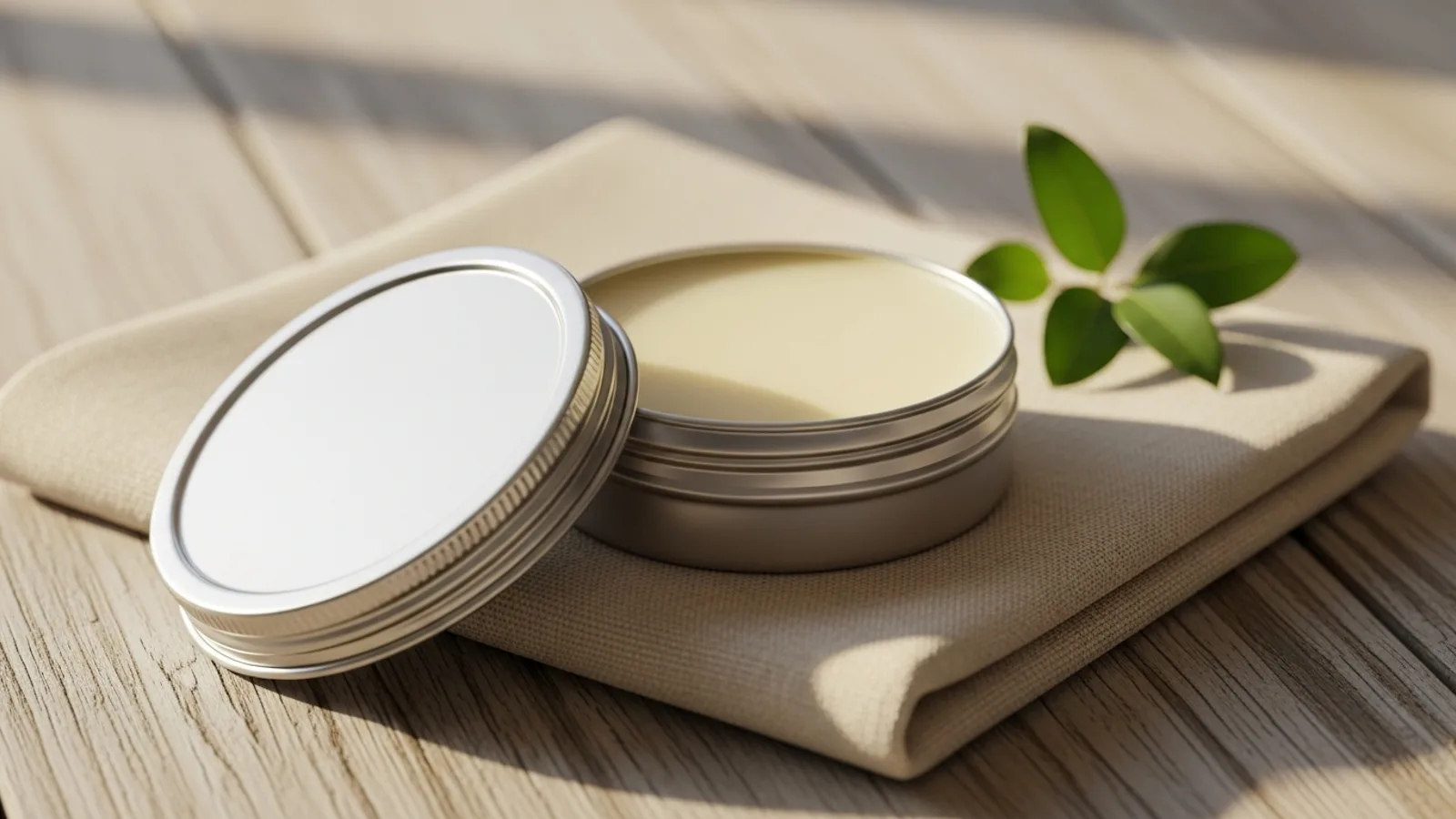
If you transition to a simpler, water-free balm, for example, you are no longer flooding the surface with water each morning and evening. Instead, you are reinforcing the lipid barrier and reducing transepidermal water loss. At first, the skin may feel like it is receiving less because the sensation is different. There is no quick evaporation. No tingling. No immediate plumping from surface water.
But beneath the surface, the barrier is stabilizing.
The First Two Weeks
During the first one to two weeks, oil production may temporarily shift. Skin that was overproducing oil to compensate for dehydration may slowly rebalance. Skin that relied heavily on frequent exfoliation may shed more gradually. This can feel like stagnation if you are used to constant resurfacing.
In reality, it is regulation.
What Normal Actually Looks Like
I often remind women that healthy skin is not perpetually exfoliating. It renews itself in cycles. When we interrupt that cycle repeatedly, the skin becomes reactive. When we step back and provide structural support through lipids and protection, the renewal process normalizes.
That normalization can feel quieter than people expect.
The Psychological Component
There is also a psychological component. We are conditioned to associate activity with effectiveness. A product that tingles or absorbs instantly feels productive. A balm that melts slowly and leaves a soft protective layer feels almost too gentle.
Gentle is not inactive.
In the hive, beeswax walls are thin but strong. They do not appear dramatic, yet they hold the entire structure together. When I formulate water-free skincare, I think in those terms. Reinforce first. Stimulate carefully and only when necessary.
If You Are in the Adjustment Period
If you experience a brief adjustment period, I encourage patience. Reduce the amount if the skin feels heavy. Apply to damp skin to improve integration. Avoid reintroducing multiple actives immediately. Give your skin several weeks to reestablish its own rhythm.
Simpler skincare removes noise.
When the noise quiets, the skin begins to communicate more clearly. You may notice fewer fluctuations. Less tightness. Less sudden oiliness. A steadier tone. These changes are gradual, but they are often more sustainable than quick peaks of improvement.
At Goodfriend Honey Co, I formulate from the belief that structure supports resilience. Beeswax anchors each balm. The goal is not to overwhelm the skin with novelty, but to create an environment where it can function as it was designed to.
Adjustment is not failure. It is recalibration.
And recalibration is often the first sign that the skin is learning to rely on itself again.