When you harvest honey, there is no dilution.
The bees do not water it down to make more of it. They do not stretch it to fill more jars. What they create is dense, intentional, and complete.
That philosophy changed how I look at skincare.
For years, I used the same lotions and creams most people use. They felt light. They absorbed quickly. They came in beautiful jars. But I always found myself reapplying. Morning. Afternoon. Evening. Sometimes more.
When I started studying cosmetic formulation more deeply, I realized something simple but powerful.
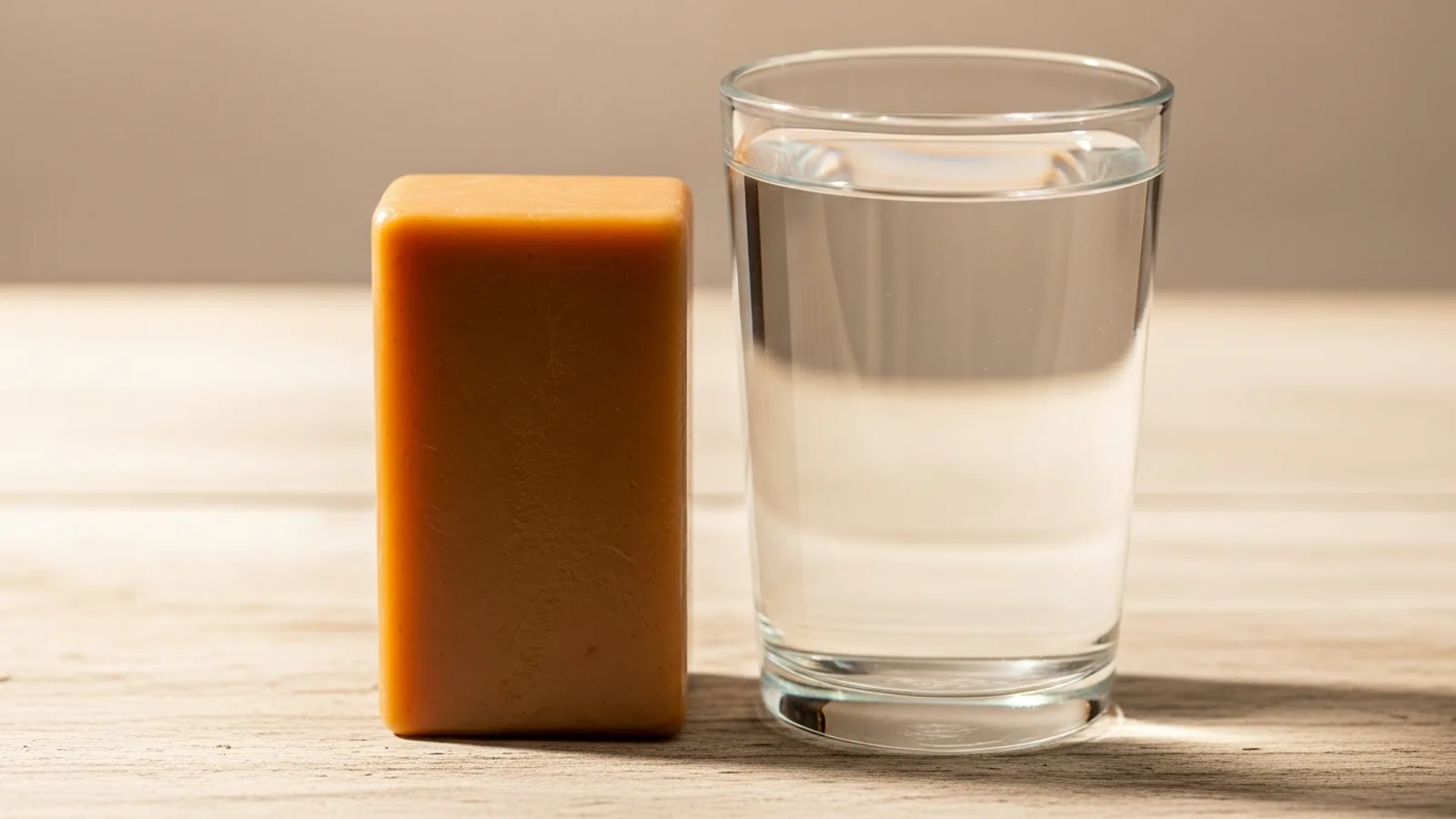
Most skincare is mostly water.
And when water is the main ingredient, everything else in the formula is diluted.
That realization shaped the way I build products today.
What Does Concentration Actually Mean?
Water-free skincare is more concentrated because it removes dilution. It replaces bulk filler with functional ingredients. It prioritizes structure over spreadability.
In cosmetic labeling, ingredients are listed in order of concentration. When water is first on the label, it is the largest part of the formula. In many conventional creams, that can mean 60 to 80 percent of the jar is water.
Water itself is not harmful. It is useful. It helps create lightweight textures and makes products easy to spread. But it also evaporates. And once water is introduced into a formula, preservatives become necessary. Emulsifiers become necessary. Stabilizers become necessary. The formula grows more complex.
When I began formulating, I kept asking myself a question that felt obvious to me as a beekeeper.
If honey is concentrated, if beeswax is structural, if nature builds without filler, why would I design something diluted?
Building From Lipids Instead of Water
In water-free skincare, oils, butters, and waxes are the base. These ingredients do not evaporate. They remain. They support the skin barrier directly. A small amount delivers real nourishment because it is not suspended in water.
Your skin barrier is largely lipid-based. It is made of fats, not water. When we apply oils and waxes thoughtfully, we are working with that structure rather than simply misting the surface with hydration.
This is why water-free formulations often feel richer at first. They are denser. They are concentrated. A pea-sized amount can replace what might otherwise require a large pump of lotion.
Over time, many people notice they use less product, not more.
That is what concentration means.
It does not mean heavy. It does not mean greasy. It means undiluted.
The Two Approaches Side by Side
The difference becomes clearer when you compare the two approaches side by side.
A water-based cream prioritizes texture and quick absorption. It feels light because much of it evaporates. It requires preservatives to stay stable. It often needs repeated application.
A water-free balm prioritizes barrier support and longevity. It does not require synthetic preservatives. It delivers oils and waxes in their functional state. It may absorb more slowly, but it stays with the skin.
One is built for immediacy. The other is built for structure.
Neither is inherently wrong. But they serve different philosophies.
Too Heavy, Too Oily, and Other Concerns
I often hear the concern that water-free skincare sounds too heavy or too oily. That is understandable. We have been conditioned to associate lightness with quality. But lightness often comes from dilution.
Concentration requires a shift in expectation. You use less. You warm it in your hands. You allow it to absorb. You trust that nourishment does not have to disappear instantly to be effective.
Another common question is whether water-free skincare hydrates the skin.
Hydration is often misunderstood. Water applied to the skin hydrates temporarily, but unless it is sealed in, it evaporates. A healthy barrier is what allows the skin to retain its own moisture. Oils and waxes help reduce moisture loss. They protect what is already there.
So instead of chasing hydration with repeated application, water-free formulations aim to strengthen the structure that holds hydration in.
That distinction matters.
What the Hive Taught Me About Density
As a beekeeper, I am used to working with materials that are purposeful. Beeswax protects the hive. Honey nourishes. Nothing is unnecessary. Nothing is filler.
When I create a product, I approach it the same way.
I do not begin with water and then add ingredients. I begin with ingredients and ask what they need to function well together. I ask how they support the skin barrier. I ask whether each component earns its place in the formula.
That approach naturally results in concentration.
Concentration and Value
Concentration also affects value. When a product is not diluted, it often lasts longer. A small jar can stretch further because you are not applying large amounts to achieve results. Many customers tell me they were surprised by how little they needed once they adjusted.
At first, some hesitate because the texture feels different from what they are used to. Then, after a few weeks, they say their skin feels calmer. More resilient. Less reactive. They are not reapplying throughout the day.
That is not because the product is heavier. It is because it is concentrated.
Intentional, Not Trendy
Water-free skincare is not about being trendy. It is about being intentional.
If someone prefers a lightweight lotion and it works beautifully for them, that is perfectly fine. My goal is not to criticize other formulations. My goal is to be transparent about mine.
When you look at my ingredient labels, you will not see water at the top. You will see oils chosen for function. Beeswax chosen for structure. Ingredients that remain present rather than evaporating.
As someone who spends her days around bees, I have learned to respect density. Honey is valuable because it is concentrated. It takes thousands of bees working tens of thousands of flowers to produce a single pound. There is effort behind that richness.
I carry that same respect into skincare.
Water-free skincare is more concentrated because it removes dilution and builds from structure. It asks you to use less. It asks you to trust texture. It asks you to think differently about what nourishment looks like.
And when it works, it works quietly.
Not through flash. Not through volume. But through intention.
That is the philosophy behind everything I create at Goodfriend Honey Co.