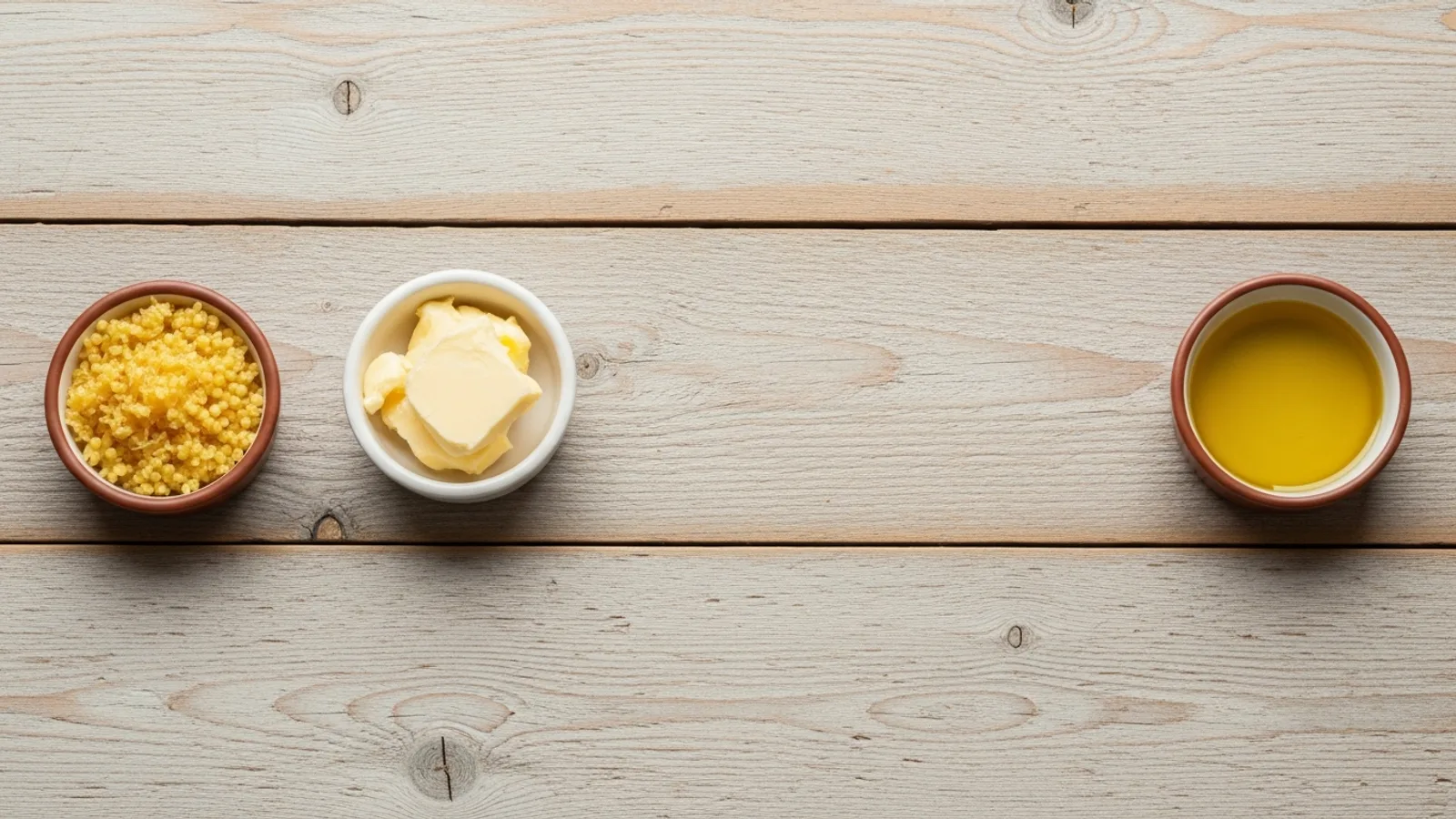
I have learned something steady from both my bees and my own skin over the years. When something is overwhelmed, it does not perform better. It becomes confused. In the hive, when too many variables are introduced, the bees lose efficiency. In skincare, when too many ingredients are layered onto the skin, the barrier often responds the same way. It is not that complexity is inherently wrong. It is that skin thrives on clarity.
As a beekeeper in Bradenton, Florida for over a decade, I have watched how bees build with precision. They do not add what is unnecessary. Beeswax is wax. Honey is honey. Propolis is propolis. Each substance has a function, and it performs that function well because it is intact and undiluted. When I began formulating skincare from my own hives, I carried that same respect for purposeful composition into every jar.
Modern skincare often equates longer ingredient lists with greater sophistication. It can feel reassuring to see a label filled with botanical extracts, peptides, acids, vitamins, and humectants. There is a sense that more must mean stronger or more effective. Yet the skin is a living barrier, not a laboratory beaker. Its outermost layer, the stratum corneum, is structured like a brick wall. The cells are the bricks, and lipids are the mortar. When that mortar is disrupted, water escapes, irritation increases, and the skin becomes reactive.
What Does Skin Actually Need?
From a biological perspective, skin requires a few fundamental things. It needs lipids to reinforce its barrier. It needs gentle occlusion to prevent transepidermal water loss. It needs protection from environmental stress. It does not require dozens of actives competing for space. In fact, layering too many ingredients can increase the likelihood of sensitivity simply because each new compound is another potential variable.
When I formulated Fix Your Face Silken Glow Balm, I focused on foundational nourishment rather than stacking trends. The balm is composed of butters and oils that are naturally rich in fatty acids and antioxidants, along with beeswax to create a breathable seal. Kokum, mango, and shea butters support elasticity and moisture retention. Jojoba and avocado oils mirror aspects of our own sebum. Rosehip and sea buckthorn contribute restorative properties without overwhelming the skin. Each ingredient has a defined role. Nothing is present for decoration.
This is where simplicity becomes powerful. Fewer ingredients, chosen with intention, reduce the risk of imbalance. When the skin receives what it recognizes structurally, it responds with stability rather than reactivity. Over time, I have seen that stable skin is luminous skin.
Why I Formulate Without Water
Conventional skincare formulations are often water-based. Water is inexpensive, lightweight, and cosmetically elegant. It allows for quick absorption and the addition of many water-soluble actives. However, because water creates an environment where microbes can grow, preservatives become necessary. Emulsifiers are also required to bind oil and water together. There is nothing inherently wrong with this structure. It is simply a different design philosophy.
I choose to formulate water-free products because it changes the entire architecture of the formula. Without water, there is no need for traditional preservatives. The product becomes concentrated. Every scoop contains active nourishment rather than dilution. Beeswax acts as a structural anchor, helping to lock moisture into the skin rather than evaporating shortly after application.
Another example is our Soft Glow Body Butter. It is built on a base of kokum, shea, mango, and cocoa butters, blended with coconut, jojoba, and grapeseed oils. There is no water to thin it out. The texture melts with body heat, delivering lipids directly where the skin needs reinforcement. Beeswax then helps seal that moisture in place. The formula does not rely on a long ingredient list to perform. It relies on concentration and compatibility.
The Concerns People Raise
One of the most common concerns I hear is that products with fewer ingredients, especially oil-based balms and butters, will feel heavy or clog pores. This is a valid question. Texture matters. The difference lies in how a formula is balanced. Not all oils are equal in molecular weight or comedogenic (pore-clogging) potential. Jojoba oil, for instance, is structurally similar to human sebum. Grapeseed oil is lightweight and absorbs readily. When these are paired with butters that are stable and non-irritating, the result can feel surprisingly refined.
Another concern is hydration. Many people equate hydration exclusively with water content. They worry that a water-free product cannot hydrate. In reality, hydration is about retaining water within the skin. Our skin already contains water. The challenge is preventing its loss. Occlusive ingredients such as beeswax reduce transepidermal water loss. Emollients fill microscopic gaps between skin cells. When applied to slightly damp skin, a balm or butter can effectively seal in existing moisture, often more durably than a water-based lotion alone.
There is also the belief that more actives equal faster results. I understand this impulse. We all want immediate improvement. But skin repair is not a race. It is a gradual recalibration of the barrier. When too many actives are layered together, especially exfoliating acids or retinoids, the barrier can become compromised. Redness, flaking, and sensitivity often follow. In those moments, the skin is not asking for more stimulation. It is asking for restoration.
In my own life, I have watched my skin change through seasons and through age. What served me in my thirties does not always serve me now. As estrogen levels shift and natural oil production slows, the barrier becomes thinner and more prone to dryness. I have learned to listen rather than react. A simple balm at night, a solid lotion bar warmed between the hands, a lip balm made primarily of beeswax and cocoa butter. These are quiet solutions, not aggressive ones.
When There Are Fewer, Each One Matters More
When ingredients are few, quality matters even more. Raw honey from my own hives is minimally processed to preserve its natural enzymes. Beeswax is filtered but left structurally intact. Butters are chosen for their fatty acid profiles, not for marketing appeal. This restraint creates space for the skin to do what it is designed to do.
Minimal formulation is not about being austere. It is about clarity. Each ingredient must justify its presence. If it does not strengthen the barrier, soothe inflammation, or meaningfully support the skin’s structure, it does not belong. This discipline keeps formulas elegant and reduces the likelihood of cumulative irritation.
Room for Other Approaches
I hold deep respect for conventional skincare science. Many water-based serums and clinical treatments serve important roles, particularly for targeted concerns. My choice to work water-free is not a rejection of modern chemistry. It is an application of it in a way that prioritizes barrier integrity and ingredient concentration. Both approaches can coexist. The question is what your skin needs most.
Over time, I have come to see that healthy skin is rarely achieved through excess. It is achieved through consistency, compatibility, and restraint. Just as a hive thrives on structure and balance, the skin thrives when we support its natural architecture rather than overwhelm it.
At Goodfriend Honey Co., every formula begins with that principle. From the hive to the jar, each ingredient is selected with purpose. The goal is not to impress with length, but to nourish with intention. Fewer ingredients, when chosen wisely, often allow the skin to breathe, recalibrate, and quietly return to its own strength.