There is a morning in late February, every year, when I walk out to the hives and the sound is different. Not louder, exactly. Fuller. The hum has shifted from a low winter idle to something more urgent, more alive. The bees know spring is coming before I do.
If you have ever wondered what happens inside a beehive when the season turns, the answer is: absolute controlled chaos.
The Queen's Egg-Laying Marathon
As daylight lengthens and temperatures start rising, the queen bee shifts into overdrive. During winter, she may have been laying a few hundred eggs per day. As spring approaches, that number climbs to 1,500 eggs per day. Every single day.
To put that in perspective, she is laying her own body weight in eggs roughly every two days. There is no weekends-off policy in the hive.
The colony needs this surge in population because spring is harvest season. More workers mean more foragers, and more foragers mean more nectar brought home. The queen is essentially staffing up for the busiest quarter of the year.
The Great Spring Turnover
Here is something most people do not realize: the bees you see flying around in spring are not the same bees that survived the winter.
Winter bees are physiologically different from summer bees. They carry more fat reserves, their bodies produce a protein called vitellogenin that extends their lifespan, and they can live four to six months. Summer bees live about six weeks. They literally work themselves to death.
Spring is when the shift happens. The older winter bees are gradually replaced by a new generation born specifically for the demands of foraging season. The colony is rebuilding its entire workforce in real time, while simultaneously collecting food, raising brood, and maintaining a stable hive temperature of about 95 degrees Fahrenheit.
It is the biological equivalent of renovating a restaurant while keeping it open for dinner service.
The Waggle Dance: Nature's GPS
Once the foragers start finding nectar sources, they need to tell everyone about it. This is where things get genuinely remarkable.
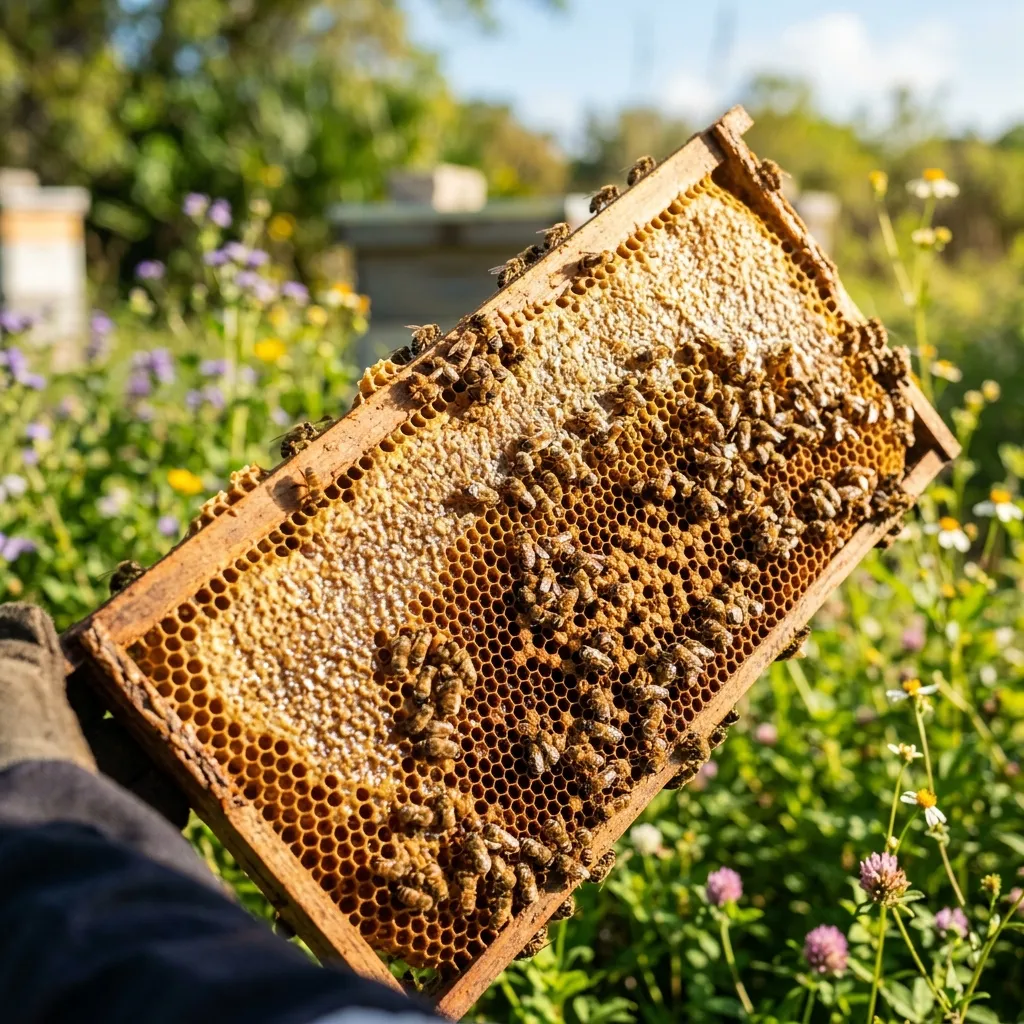
A returning forager performs what scientists call a "waggle dance" on the surface of the honeycomb. She moves in a figure-eight pattern, waggling her abdomen during the straight-line portion. The angle of that straight run, relative to vertical on the comb, tells the other bees the direction of the food source relative to the sun. The duration of the waggle tells them how far away it is. The intensity of the dance tells them how good the source is.
She is essentially drawing a map with her body in the dark, and her audience reads it perfectly.
When multiple scouts find different sources, competing dances play out on the comb simultaneously. The colony evaluates the options and gradually reaches consensus. The best dance wins. It is democracy by choreography.
The Nectar Flow: Liquid Gold Season
Here on the Gulf Coast, the spring nectar flow is the main event. Saw palmetto, citrus blossoms, wildflowers, and Brazilian pepper all bloom in overlapping waves. When conditions are right, a strong hive can gain several pounds of weight in a single day.
The activity at the hive entrance during a heavy flow is mesmerizing. Bees leave empty and return heavy. You can actually see the difference in their flight. Loaded foragers come in low and deliberate, their hind legs packed with bright yellow and orange pollen. Inside, house bees receive the nectar mouth-to-mouth and begin the process of fanning it with their wings to evaporate the excess moisture.
Raw nectar is about 70 to 80 percent water. The bees reduce it to under 18 percent. Only then do they cap the cell with wax. That is when nectar officially becomes honey. The entire process takes about three days per cell.
If you have ever stood near a hive during a strong flow, you can smell it. The air is sweet and warm, heavy with the scent of curing nectar. It is one of the most beautiful things about this work.
Swarm Season: When Success Gets Crowded
There is a strange irony in beekeeping. The healthiest, most productive hive is the one most likely to swarm.
Swarming is how colonies reproduce at the organism level. When a hive gets too crowded, the workers begin raising new queens by feeding select larvae a diet of royal jelly. Before the new queen hatches, the old queen takes roughly half the worker bees and leaves the hive in a massive cloud of flying insects. They cluster on a nearby branch while scouts search for a permanent home.
For the beekeeper, this is both awesome and terrifying. Awesome because a swarm is nature at its most spectacular. Terrifying because you just lost half your honey-producing workforce.
Managing swarm tendency is one of the biggest jobs in spring. I add extra space to the hive, check for queen cells regularly, and sometimes do controlled splits, essentially creating two hives from one, to give the colony room to grow without triggering the swarm instinct.
Why Does Spring Matter for Your Jar of Honey?
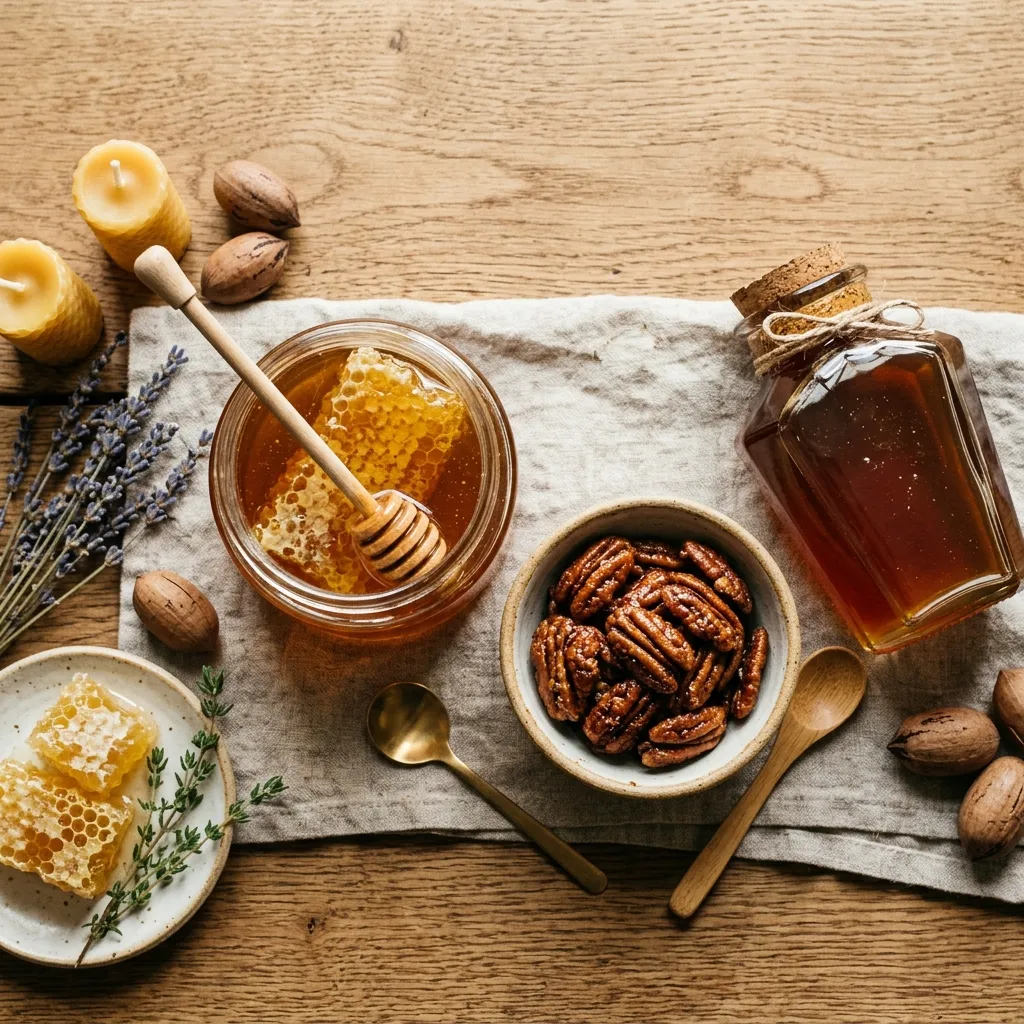
The spring harvest typically produces our lightest, most floral honey. The citrus influence gives it a bright, almost citrus-blossom quality that is noticeably different from the darker, more robust honey we harvest in the fall.
Every jar reflects what was blooming, how strong the colonies were, and how well the bees managed the flow. It is seasonal in the truest sense. No two springs produce exactly the same honey.
And it always sells out fast.
If you want to try the spring harvest, visit us at one of our local farmers markets, or reserve a batch before it is gone.