For most of the country, spring is a time of slow awakening. The snow melts, the first buds appear, and beekeepers carefully check their hives to see who survived the harsh winter. But here in Bradenton, Florida, spring is a completely different story. It’s an explosion of life, color, and, most importantly, nectar.
Our "winter" is incredibly mild by northern standards, which means our bees rarely go dormant for long. But when late February and March roll around, the change in the air is palpable. Here is a look at what spring means for us at Goodfriend Honey Co.
The Great Nectar Flow
Spring is defined by the "nectar flow." This is the period when local flora, including citrus trees, saw palmettos, and endless varieties of wildflowers, are blooming simultaneously and producing abundant nectar. The bees go into absolute overdrive.
If you stand near the hives during a heavy flow, the air literally hums. You can smell the curing nectar from yards away; it's a sweet, heavy scent that fills the breeze. The bees are flying out early, coming back heavy with nectar and pollen, and working late into the evening to fan the moisture out of the nectar to turn it into honey.
Swarm Season
With all this abundance comes a beekeeper's biggest spring challenge: swarming. When a hive is incredibly successful and brings in a lot of nectar rapidly, they run out of room. Their natural instinct is to reproduce not just individually, but as a colony.
The queen will lay eggs to create new queens, and right before the new queens hatch, the old queen will take about half the worker bees and leave the hive in a massive cloud, a swarm, to find a new home. As a beekeeper, my job in the spring is to manage this instinct. I have to make sure they have plenty of room to store honey so they don't feel crowded, and sometimes I do "splits" (creating two hives from one) to prevent them from swarming into a neighbor's tree!
The Orange Blossom Magic
Spring in Florida also means one very specific thing: Orange Blossom season. While development has reduced the number of citrus groves in manatee county, we still have access to enough blooming citrus to give our spring honey that distinct, incredibly fragrant light-citrus note.
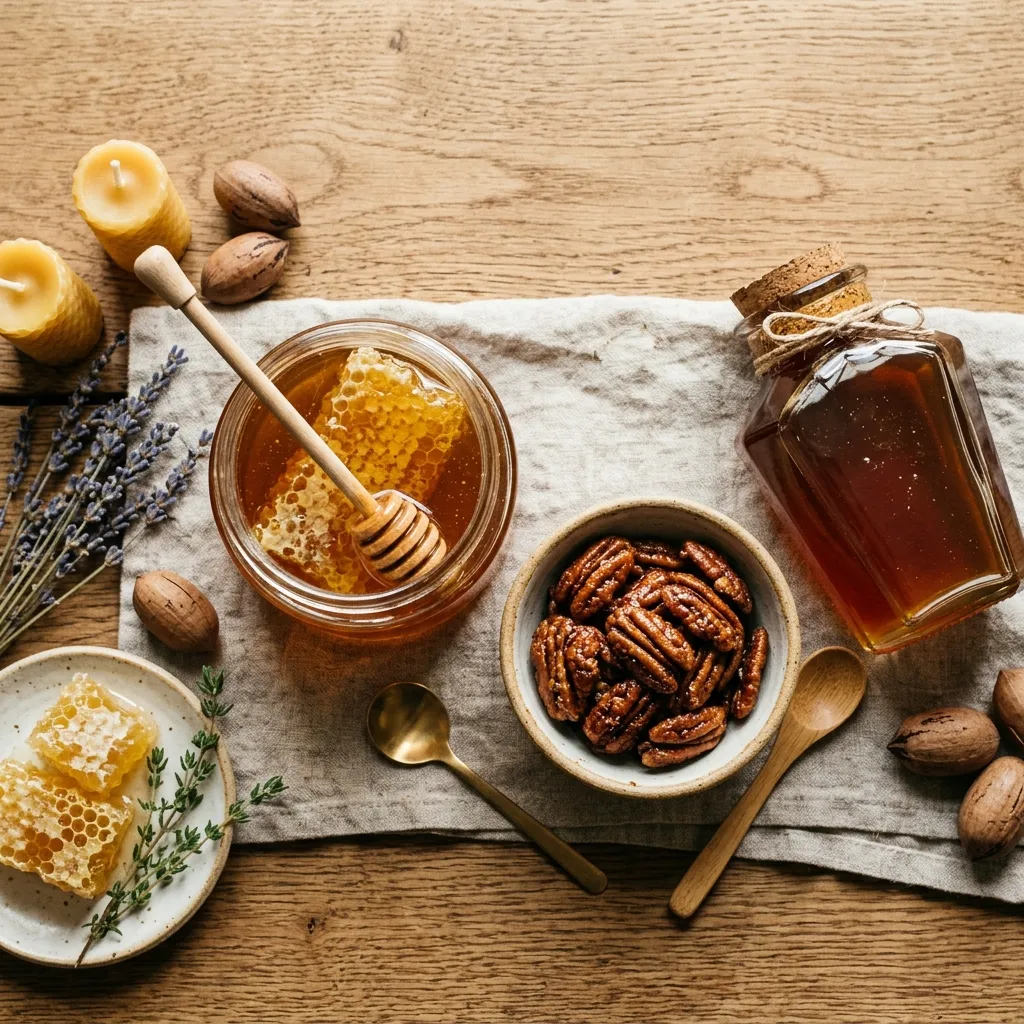
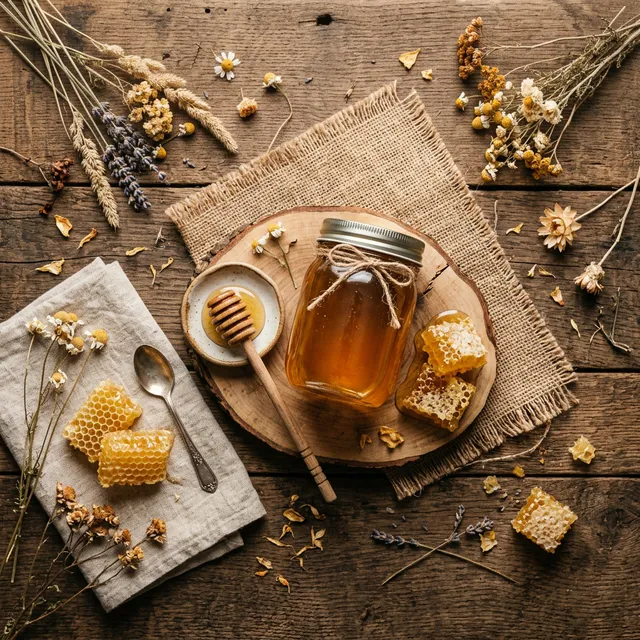
Our spring harvest is often lighter in color and more floral than our robust, darker fall harvest. It's sunshine in a jar, and we start extracting this beautiful liquid gold around late April.
Stop by the market this weekend and ask to taste the difference between the seasons!